
You Are Not Alone: Bisexual+ Women and Intimate Partner Violence
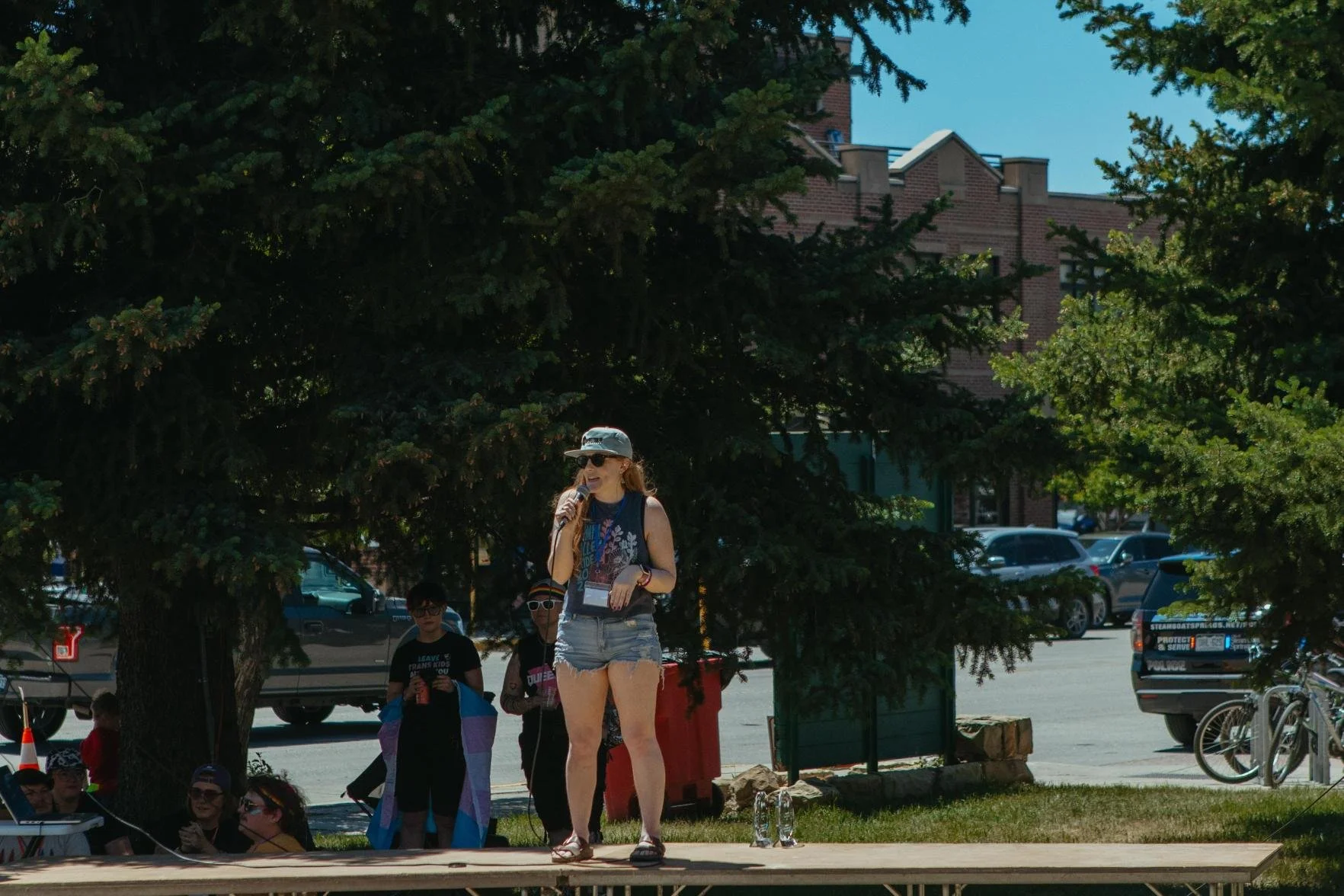
Chelsie Holmes | Pride 2026
Better Tomorrow is proud to recognize Chelsie Holmes (she/they), Program Director of Queer Futures, whose article, “You Are Not Alone: Bisexual Women and Intimate Partner Violence,” was published in Bi Women Quarterly.
In the article, Chelsie writes with both professional expertise and lived experience about the ways bisexual+ women are uniquely impacted by intimate partner violence. Drawing from their years of advocacy work with survivors, Chelsie names a reality that is too often ignored: intimate partner violence is not only a “straight issue,” and bisexual+ survivors deserve support that understands the specific ways biphobia, sexism, and isolation can shape their experiences.
Chelsie highlights that more than 60% of bisexual+ women experience intimate partner violence in their lifetime. For many bisexual+ survivors, abuse may be harder to recognize or name because of harmful stereotypes about bisexuality, nonmonogamy, sexuality, and what “real” relationships are supposed to look like. These myths can make it easier for abusive partners and others to dismiss, minimize, or excuse harm.
The article also explores how tactics like gaslighting, isolation, and sexual coercion can be especially harmful for bisexual+ women. When someone has already been told by society that their identity is “confusing,” “just a phase,” or not real, an abusive partner can exploit that cultural gaslighting to make them doubt their own experiences. When someone is rejected by both mainstream culture and parts of the LGBTQIA+ community, isolation can become even more dangerous.
At Better Tomorrow, this message is deeply connected to our work. Survivors deserve to be believed. They deserve services that understand the full complexity of their identities. And they deserve spaces where they do not have to minimize who they are in order to receive support.
Chelsie’s article is a powerful reminder that bisexual+ survivors are not alone, and that intimate partner violence prevention must include bisexual+ experiences, leadership, and healing.
We invite you to read Chelsie’s full article in Bi Women Quarterly and continue learning about how we can better support LGBTQIA+ survivors in our community.